You've outgrown your home, but you're not ready to leave your neighborhood. A home addition feels like the perfect solution until you talk to a neighbor whose project ran six months late and significantly over budget.
The difference between a smooth addition and a costly nightmare usually comes down to seven predictable mistakes. Most homeowners planning their first addition make at least three of them. Veteran builders see the same problems on nearly every job that started without proper planning.
This guide walks you through the mistakes that derail timelines, inflate budgets, and leave families frustrated. Each section shows you what actually happens when you skip a critical step and how disciplined builders in the Upstate prevent it.
Mistake #1: Underestimating Foundation and Site Work

Most homeowners budget for walls, windows, and finishes. Almost none budget properly for what happens before the first stud goes up.
Why Foundation Work Costs More Than You Think
South Carolina clay soil expands and contracts with moisture. Your existing home settled years ago. A new addition needs its own foundation engineered to match that settlement pattern, or you'll see cracks where old meets new within 18 months.
Site work includes excavation, grading, drainage routing, and often utility relocation. If your addition covers the path your downspouts currently take, that water needs a new route. If it sits over your septic lateral lines, those lines need rerouting before the footer goes in.
What Disciplined Builders Do Differently
We walk the site before estimating and flag every below-grade issue: existing drainage paths, utility conflicts, soil composition, and tie-in points to your existing foundation. That site walk converts surprises into line items you can plan for.
We include a full geotechnical review for additions over 400 square feet. For smaller bump-outs, we still probe soil conditions and verify drainage slopes.
Mistake #2: Ignoring HVAC Capacity and Ductwork Routing
Adding 500 square feet of conditioned space without upgrading your HVAC system is like adding two bedrooms to a house with a one-bathroom septic tank. It might work in October. It won't work in July.
The Load Calculation Gap
Your existing HVAC system was sized for your existing square footage. A proper Manual J load calculation shows whether your current equipment can handle the addition or whether you need a supplemental system.
Most additions need new supply and return ductwork. Routing that ductwork through existing framing cavities without cutting joists or creating pressure imbalances requires planning before the walls close up.
How Veteran Builders Prevent Comfort Problems
We bring in an HVAC contractor during design, not after framing. They calculate load, plan duct routes, and size equipment before the first permit gets pulled. If your current system can handle the load, we plan the tie-in point and verify clearances. If it can't, we budget the upgrade or design a mini-split zone.
Skipping this step saves modest engineering fees. It costs substantially more to fix after drywall goes up.
Mistake #3: Skipping Structural Engineering for "Simple" Additions
A bump-out over a crawlspace feels simple. But if that bump-out removes a load-bearing wall segment or requires a flush beam to carry the second story, it's not simple.
When You Legally Need an Engineer in South Carolina
South Carolina building codes require stamped structural drawings for any addition that alters existing load paths, adds a second story, or spans more than 12 feet without intermediate support. According to the International Code Council residential building standards, most counties enforce these thresholds strictly.
Permit offices in Greenville and Pickens counties reject unstamped plans routinely. That rejection delays your start date by three to six weeks while you hire an engineer and resubmit.
What Proper Engineering Prevents
A structural engineer sizes beams, specifies foundation depths, calculates point loads, and details connections between new and existing framing. Without those calculations, your builder guesses. Guessing works until the building inspector shows up or until the beam sags under load two years later.
Our addition projects include structural engineering as a standard line item. The value is a building that doesn't settle, sag, or fail inspection.
Mistake #4: Poor Planning for Living Through the Construction
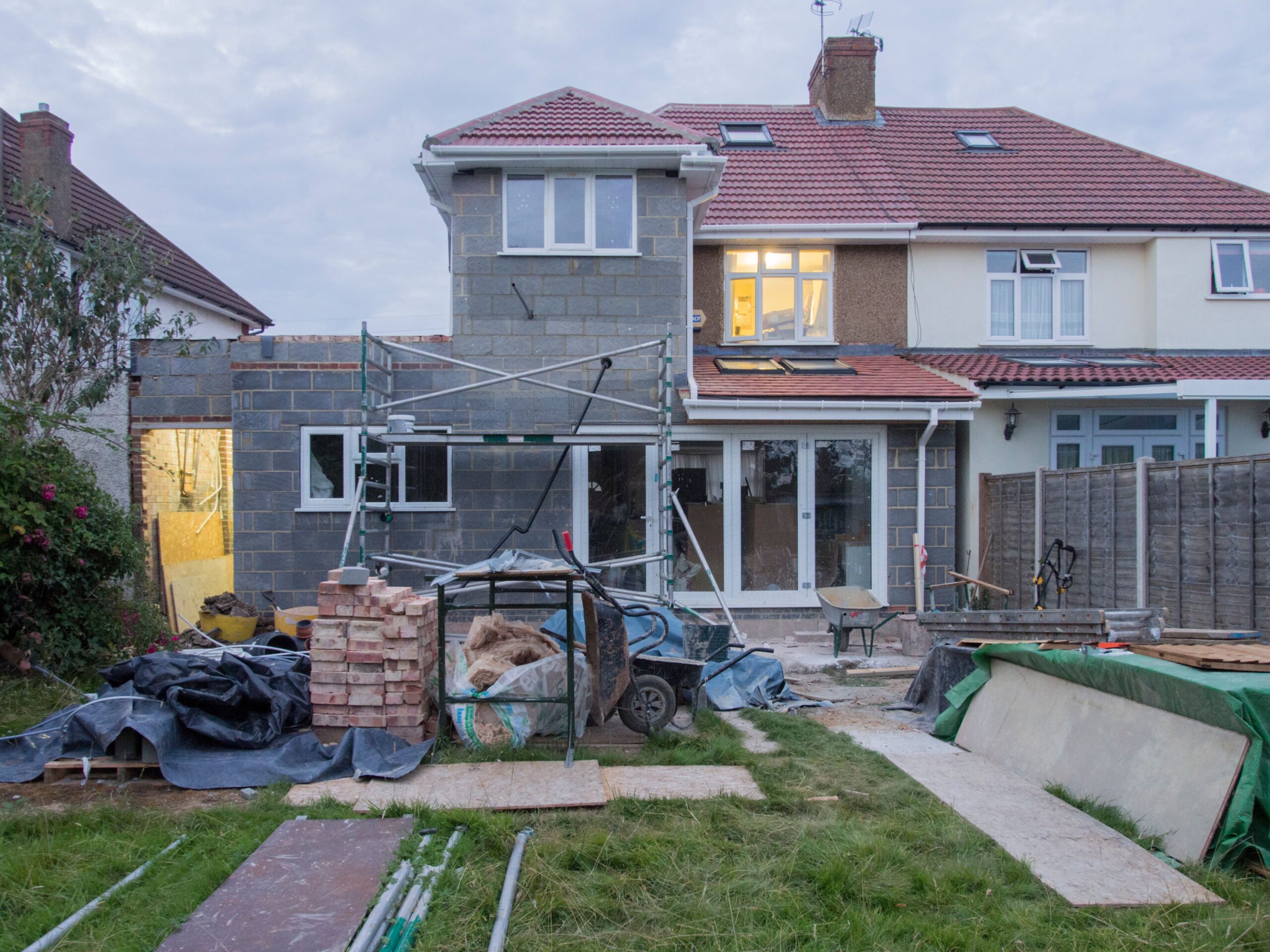
You're adding space, not moving out. That means your family will share the property with a crew, tools, material deliveries, and dust for 12 to 20 weeks.
The Dust and Access Problem
Cutting through an exterior wall to connect your addition creates a temporarily open hole in your building envelope. Framing, drywall sanding, and demolition generate dust that migrates through your HVAC system into every room.
Construction crews need access to bathrooms, electrical panels, and often your kitchen for water. Material deliveries block driveways. Dumpsters sit in your yard for weeks.
How Stay-Put Renovations Actually Work
We phase the work to minimize disruption. The addition gets framed, sheathed, and dried-in before we cut the connecting opening. We install dust barriers with negative air filtration at every access point. Crews use a jobsite toilet instead of your guest bath.
Our process includes a walk-through where we map out staging areas, delivery zones, and dust-control boundaries. Families who plan for construction chaos stay calm. Families who assume it won't be that bad call us frustrated by week three.
Mistake #5: Matching Existing Finishes Without a Material Budget
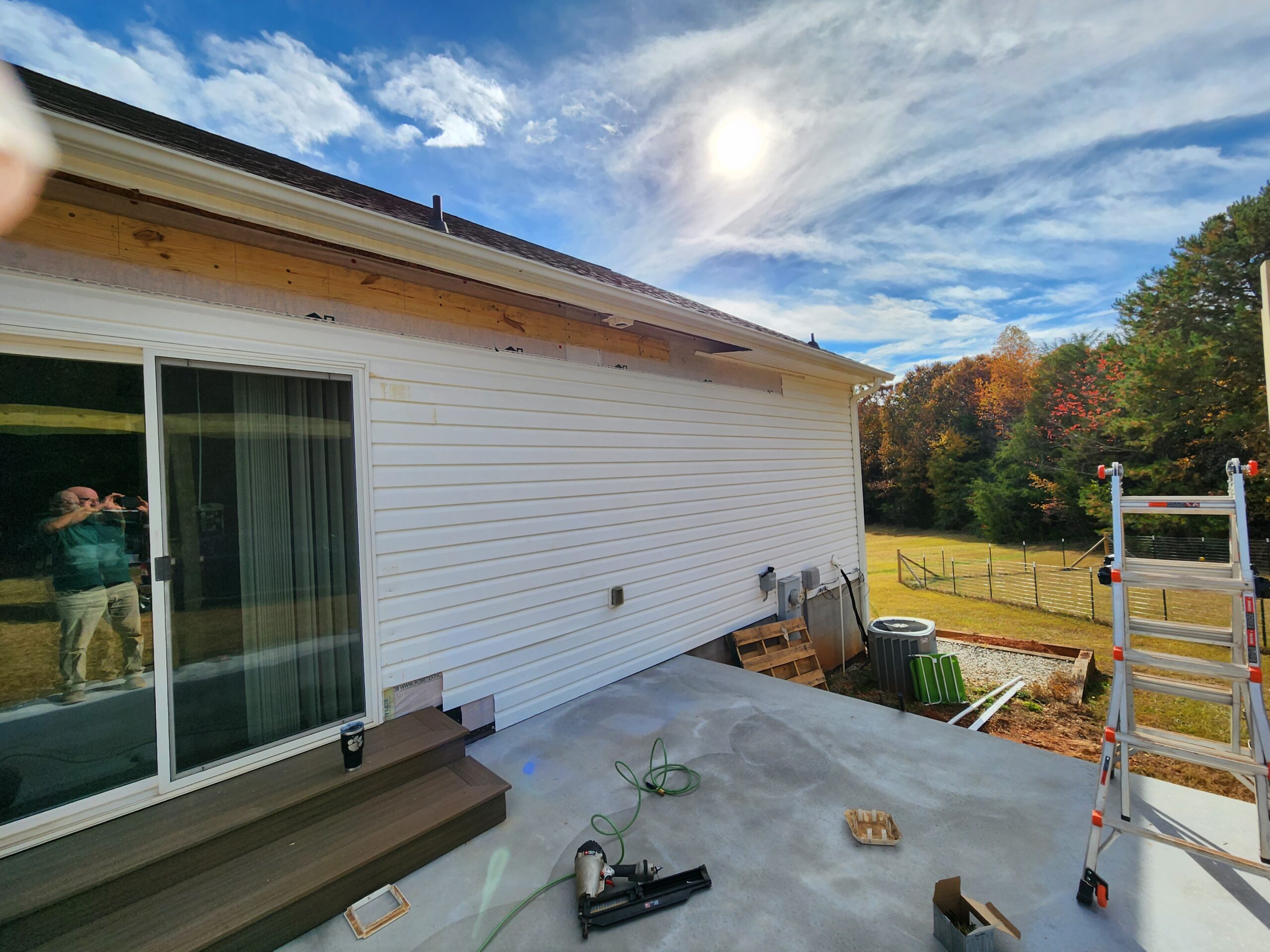
Your home was built in 2008. The brick is discontinued. The siding profile changed in 2012. The interior trim is a custom mill run that no longer exists.
Why "Match Existing" Becomes "Close Enough"
Manufacturers discontinue products every year. Even if the product still exists, dye lots for brick and fiber cement shift. Matching a 15-year-old exterior perfectly often requires custom fabrication or overbuying to blend batches.
Interior finishes like flooring, cabinetry, and trim present the same challenge. If your addition includes new hardwood, that wood needs to match species, grade, width, and finish. Matching 12-year-old pre-finished oak is nearly impossible without a custom mill run.
What Transparent Builders Do Instead
We identify every finish that needs matching during design. Then we source samples and present three options: exact match (custom order, higher cost, longer lead time), close match (standard product, lower cost, slight variation), or intentional contrast (different material that complements instead of matches).
Most clients choose intentional contrast for exteriors and close match for interiors once they see the cost difference. Setting that expectation during budgeting prevents disappointment at installation.
Mistake #6: Budgeting for Construction but Not for Permitting, Inspections, and Utility Coordination
The Hidden Soft Costs
Permit fees vary by square footage and scope. Plan review takes two to four weeks. If the addition requires a septic modification or a new electrical service, add health department fees and utility coordination time.
Some neighborhoods require HOA architectural review. That review can take 30 to 60 days and may require exterior material upgrades or color changes.
Utility companies need notice to relocate meters, upgrade services, or mark underground lines. In Six Mile and Clemson, lead times for electric service upgrades stretch to eight weeks during peak building season.
How Disciplined Builders Prevent Permit Delays
We submit permit applications with complete, stamped plans and all required supporting documents on the first pass. Incomplete applications get rejected and go to the back of the queue.
We coordinate utility companies and HOA reviews in parallel with permit submittal so approvals arrive in sequence, not in series. That coordination shaves four to six weeks off the pre-construction timeline.
Our estimates include separate line items for permits, engineering, utility fees, and HOA costs. Clients know the full budget before signing.
Mistake #7: Assuming a 12-Week Timeline Without Accounting for Lead Times, Weather, and Inspection Schedules
Your builder says the addition will take 12 weeks. That's 12 weeks of labor. It's not 12 weeks from contract signing to certificate of occupancy.
What Adds Time Before and After Construction
Permit approval, material procurement, and subcontractor scheduling happen before the first shovel hits dirt. Custom windows, exterior doors, and specialty materials often carry 8- to 12-week lead times. If you order those materials after permit approval, your timeline just stretched to 20 weeks.
Weather delays framing and exterior work. A wet February in the Upstate can add two weeks to the schedule. Inspection schedules depend on county staffing. Requesting a rough-in inspection on a Friday means waiting until the following Tuesday in most cases.
How On-Time Builders Sequence the Work
We build a detailed schedule that includes procurement lead times, permit processing, inspection holds, and weather buffers. We order long-lead materials during permit review so they arrive when framing wraps.
We request inspections two days in advance and plan the next phase to start the day after approval. Our addition projects get the same disciplined scheduling we use on commercial work.
The result: timelines we hit, not timelines we hope for. When we say 16 weeks, we mean 16 weeks from contract to final walkthrough, not 16 weeks of perfect-weather construction labor.
How to Avoid These Mistakes on Your Greenville Addition Project
Every mistake above shares the same root cause: decisions made without complete information. Homeowners who skip engineering save money in March and spend it double in July. Homeowners who assume their HVAC can handle the load discover the problem in August when the system runs nonstop and the new room stays too warm.
The Planning Checklist Veteran Builders Use
Before any addition project moves to contract, disciplined builders verify:
- Structural engineering completed and stamped for permit
- HVAC load calculation showing existing capacity or upgrade plan
- Geotechnical review or soil probe confirming foundation strategy
- Material samples sourced for every finish requiring match or coordination
- Permit timeline mapped with all required reviews and approvals
- Utility coordination scheduled with lead time accounted for
- Construction phasing plan showing dust control, access, and family impact
- Realistic timeline including procurement, weather buffer, and inspections
That checklist eliminates 90% of the surprises that derail additions.
Frequently Asked Questions
How much does a home addition cost in Greenville, SC?
Cost depends on size, finish level, site complexity, and structural requirements. Foundation work, HVAC modifications, and finish matching all influence the final number. Book a consultation for a detailed estimate based on your specific project and property conditions.
Do I need a permit for a home addition in South Carolina?
Yes. Any addition that increases conditioned square footage or alters structural load paths requires a building permit in Greenville, Pickens, and Anderson counties. Permit fees vary by square footage, and review timelines run two to four weeks with complete, stamped plans.
How long does a typical home addition take from start to finish?
Most additions take 16 to 24 weeks from contract signing to final certificate of occupancy. That includes permit processing, material procurement, construction labor, inspections, and weather delays. Projects under 300 square feet with simple tie-ins can finish in 12 weeks. Larger two-story additions often stretch to 28 weeks.
Can I live in my home during an addition project?
Yes, with proper planning. Phased construction, dust barriers, negative air filtration, and clear staging areas let families stay in place. The key is setting expectations during planning and budgeting for dust-control systems and temporary access solutions.
You've spent years in your home. You know the neighborhood, the schools, and the commute. An addition lets you stay while gaining the space your family needs.
But only if the project goes smoothly. The seven mistakes above turn additions into regrets. Disciplined planning turns them into investments that pay returns for decades.
We've built additions across Six Mile, Greenville, and Clemson for 30-plus years. Our process eliminates surprises by surfacing every structural, mechanical, permitting, and finish challenge during planning, not during construction. You'll know the full scope, the real timeline, and the complete budget before we break ground.
Schedule a free addition planning consultation and we'll walk your property, review your goals, and map out a realistic plan. No guessing. No surprises. Just transparent planning backed by three decades of on-time, on-target project delivery.